
The Desert Front Lawn vs The Colorado River: In search of the new urban desert front yard
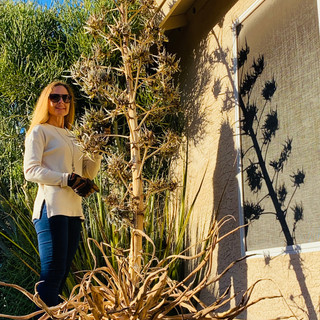

Water cuts are coming to Arizona, California, and Nevada to prevent the total collapse of the Colorado River. Lose the Colorado River? Impossible. . Isn’t it? When a resource is consumed (and over-allocated) but not replenished, as is the case with the river, it can disappear. Our front yards can reflect a new vision of southwest life, one that values shade, habitat, beauty, and responsible water use (see which 4 AZ cities made top 20 list of the Happiest in America).
The Current Situation
2 decades of drought
Scorching spring
And historically low snowfall
2026 water flow into the Colorado river less than ¼ average annual demand (WP)
Reservoirs on the River
Lake Mead, largest in the U.S. (formed by the Hoover Dam) and Lake Powell, second largest
water source for about 25 million people
Both are at record lows; scientists agree that another 2+ dry years could crash the entire system

Whose Responsibility is it?
I have owned a home in the East Valley for 20 years. I think it is MY responsibility to make better choices for every living being in the basin. Do you consume water and related products and services from the Colorado River? Maybe it’s YOURS too.

It Can Feel Overwhelming
The situation is dire. Environmental catastrophes are in the news daily. Unprecedented heat waves in Europe, wildfires in Canada, France, Spain, Portugal, Greece, and extreme rainfall in south Asia. And it goes on. How can one person make a difference?
What if we act together
“One person removes one lawn, it doesn’t make a difference, but a thousand people starts to make a difference, and a million people makes a huge difference.”
-Bill Hasencamp, Colorado River resources manager for the Metropolitan Water District of Southern California
The Lawn Obsession
The front lawn is a cultural tradition:
pre-dates the constitution of the United States
status symbol for wealthy French and British lords
became a symbol of home
impression of neat, tidy, organized
fear of being different, desire to fit in
difficult to move beyond old landscaping expectations and habits
ignorance towards environmental realities and limited water resources

How does removing a lawn help the desert?
helps communities adapt to the new hotter and drier realities of desert living
replaces harmful maintenance practices (ex. gas-powered equipment that spews climate changing pollutants into the air) with life sustaining practices that are healthy for people and wildlife
reduces landscape water use and other associated costs
allows homeowners to design and install creative living landscapes
appropriate desert trees provide shade, cooling the earth beneath
provides habitat and shelter for animals and pollinators who can't escape into an air-conditioned house

Next Steps
ask your current maintenance team to STOP mowing and blowing
get a plan from a designer tailored to your site
worried about transition costs? prioritize: plant trees first
check for city rebates and plant offerings like Desert Willow
join a club (cactus and succulent); freebies at meetings
meet with your hoa; increased cost savings with more homeowners
talk to your neighbours and work together
engage youth groups in your area; they are always looking for volunteer opportunities
40 million people rely on the Colorado River plus plant and animal life.
Transitioning away from water-intensive lawns is one meaningful way to build kinder, more resilient neighbourhoods.

Sources of information:
Water cuts
The Happiest Cities of 2026
Colorado River Basin
“One person removes one lawn...”
Yes switching from grass to desert landscapes can save lots of water


Comments